
Where Ideas Come to Life
Explore the unique learning environments that make Discovery Day Academy unlike any other school in Southwest Florida.
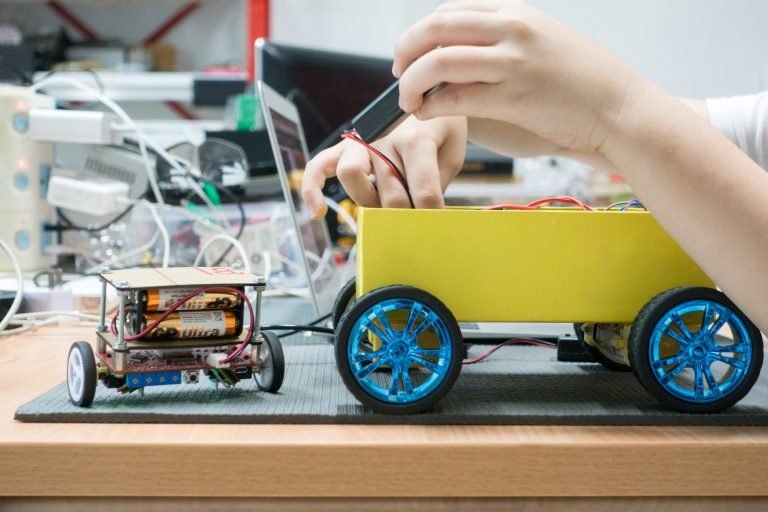
Innovation hubs are positioned throughout our school's media center, the heart of our campus. Students tinker with art and recyclable materials, wood working tools, fabric, sewing machines, technology, and more to bring their ideas to life. If students can imagine it, they can make it! Equally, they engage in the process of design through an iterative approach, Design Thinking.
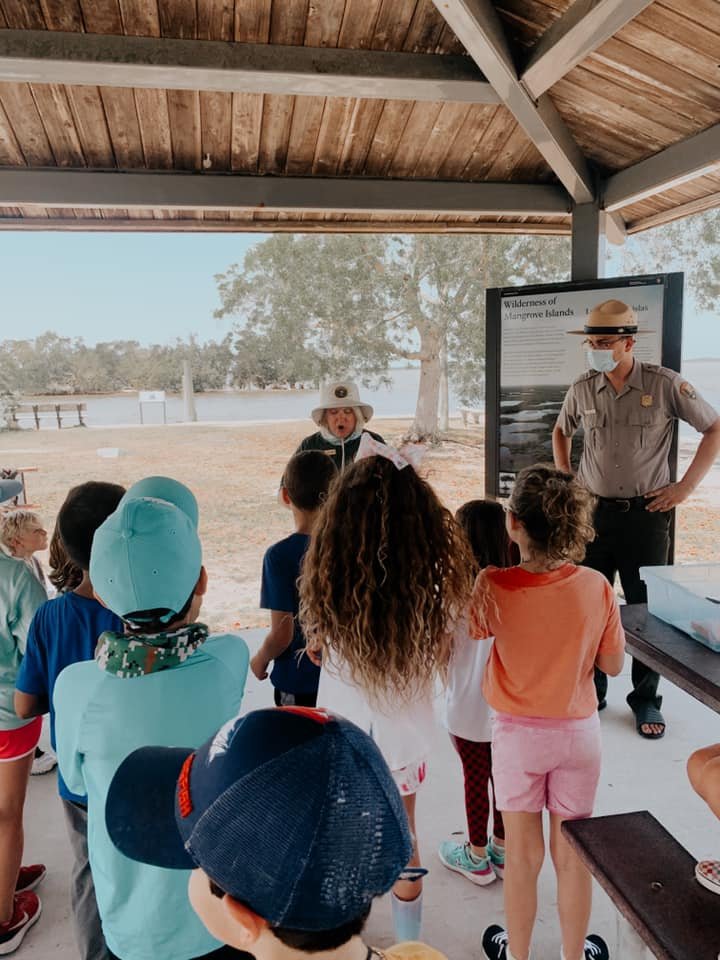
A foundational component of the C-PBL model is a changemaking experience tied to a community partner organization. Field work at our partner sites occurs at the beginning of a project to pique student curiosity, and long-term memory retention is enhanced following a high curiosity state. Students conduct quantitative and qualitative research in the field with the goal of making a positive impact for the community's people, animals, or natural environment. Researcher packs include measuring tools, specimen collection boxes, data notebooks, and technology that students bring directly to the site of inquiry.
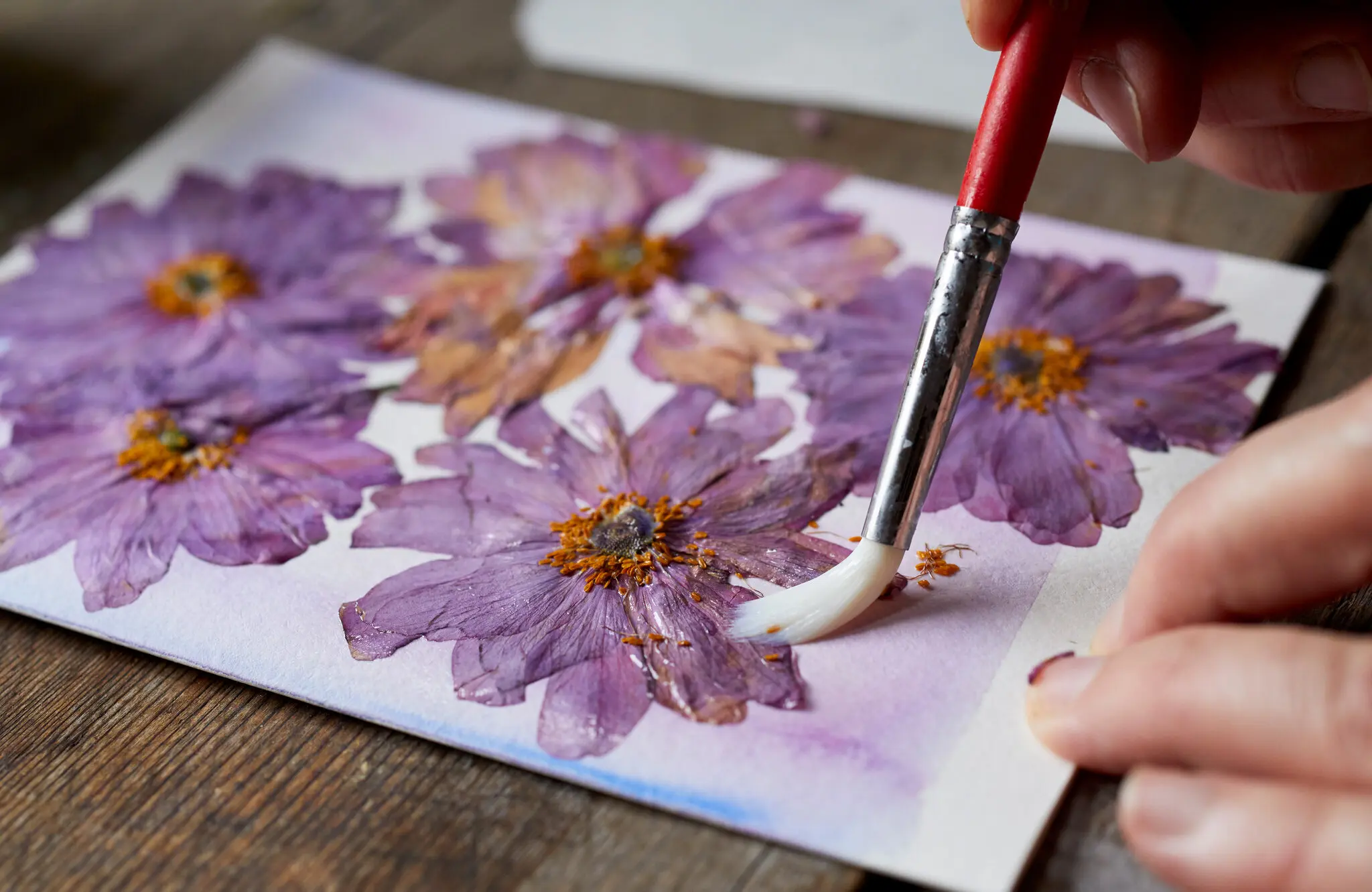
A designated exhibit area, our Natural History Museum allows students to highlight their current work which is later archived and stored according to specimen type. Teachers use the museum artifacts for classroom project centers or as teaching models. Showing students that their work has a long-term purpose allows them to appreciate learning as a meaningful activity. They take great pride in their museum.
Innovation hubs are positioned throughout our school's media center, the heart of our campus. Students tinker with art and recyclable materials, wood working tools, fabric, sewing machines, technology, and more to bring their ideas to life. If students can imagine it, they can make it! Equally, they engage in the process of design through an iterative approach, Design Thinking.
A foundational component of the C-PBL model is a changemaking experience tied to a community partner organization. Field work at our partner sites occurs at the beginning of a project to pique student curiosity. Students conduct quantitative and qualitative research with the goal of making a positive impact for the community's people, animals, or natural environment.
A designated exhibit area, our Natural History Museum allows students to highlight their current work which is later archived and stored according to specimen type. Teachers use the museum artifacts for classroom project centers or as teaching models. Showing students that their work has a long-term purpose allows them to appreciate learning as a meaningful activity.
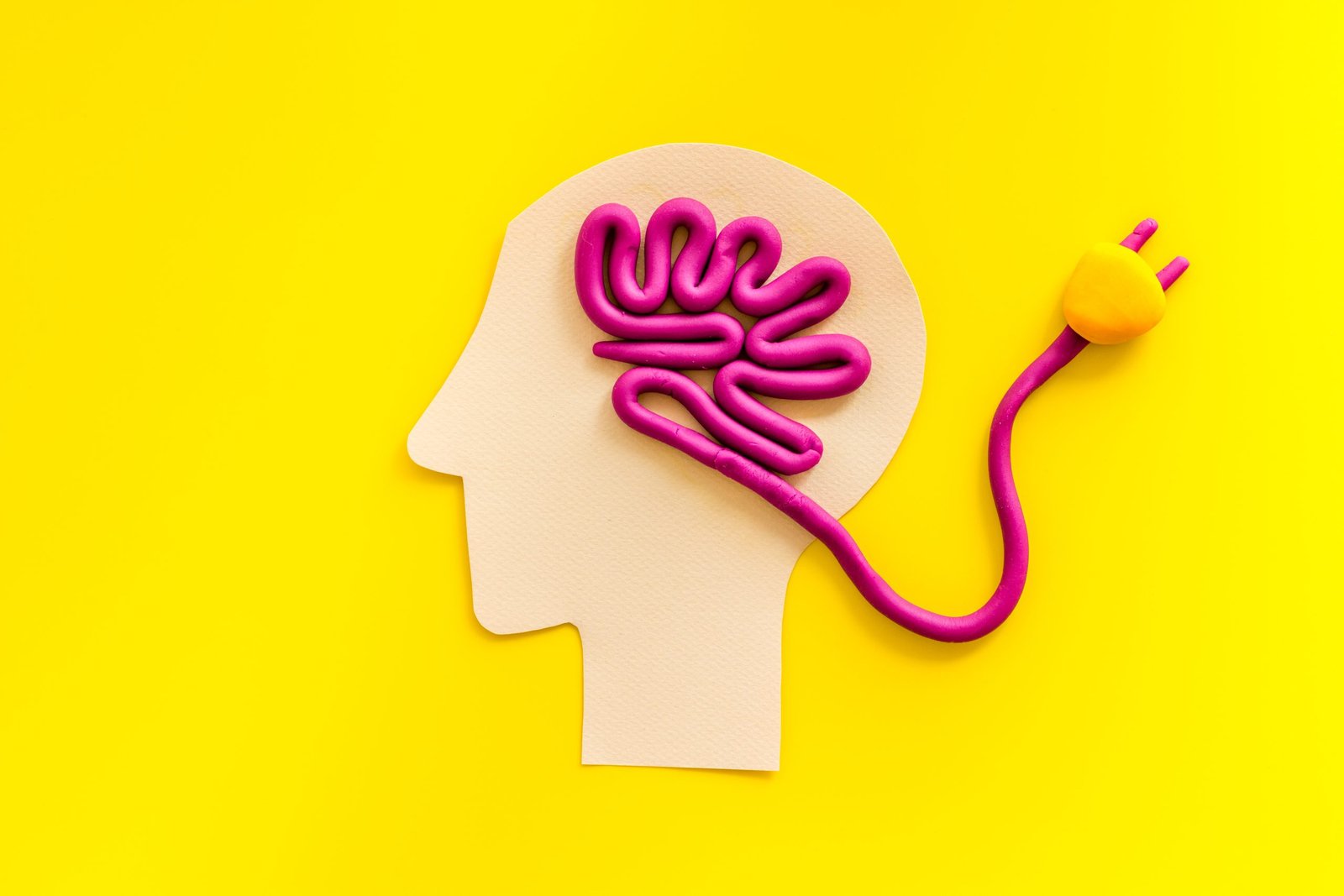
Cognitive science is central to our curriculum, pedagogy, and assessment design, with a focus on long-term memory retention. Concepts such as looping, spacing, and interleaving are core strategies of retrieval practice. Cognitive Project-Based Learning (C-PBL) topics are looped and revisited over time to aid in student recall. Research supports assessment design that includes the interleaving of question types — at Discovery Day Academy we provide opportunities for drawing, mapping, and memory recall in other creative formats. Equally, we approach critical thinking skills with intentionality, through thinking routines and Philosophy for Children.